English
 Deutsch
 Español
 русский
 português
 العربية
If you've ever seen a machine clearing thick roadside grass without sending debris flying into traffic, chances are you were looking at a flail mower. Designed for safety, versatility, and efficient vegetation control, flail mowers are widely used across agriculture, municipal maintenance, construction prep, and light forestry operations.
Unlike traditional rotary mowers, flail mowers use multiple small blades attached to a rotating drum, allowing them to handle uneven terrain, dense vegetation, and confined spaces with far greater control and minimal risk. This makes them a preferred choice for contractors and municipalities working in high-risk or high-precision environments.
What Is a Flail Mower Used For?
Roadside Vegetation Management
Drive down any major highway in the spring or summer, and you will likely see a tractor or excavator equipped with a flail mower clearing the verges and steep embankments. Highway departments, municipal governments, and contractors heavily prefer flail mowers for roadside maintenance. The primary reason is safety. Because the drum rotates downward and the deck is enclosed, a flail mower directs debris straight into the ground. It drastically minimizes the risk of throwing rocks or metal shards into passing traffic, preventing shattered windshields and fatal accidents.Agricultural Field Maintenance
In the agricultural sector, flail mowers are indispensable tools for managing land health. Livestock farmers use them for pasture maintenance, knocking down tall, tough weeds that cattle refuse to eat, which in turn encourages healthy grass regeneration. In orchards and vineyards, flail mowers easily navigate between narrow rows, pulverizing pruned branches and cover crops into a fine organic mulch that returns vital nutrients to the soil and retains moisture.Forestry and Brush Control
Light forestry operations frequently deploy flail mowers to reclaim overgrown land. They are excellent for cutting down heavy brush, controlling invasive vegetation species (like blackberry brambles or buckthorn), maintaining firebreaks, and clearing overgrown hunting trails. However, it is important to note that for heavier vegetation, dense thickets, and tree residue over 3 inches in diameter, specialized forestry mulchers are often a far more productive and durable solution.Land Clearing Projects
Before construction can begin, land must be prepped. Flail mowers are often the first machines on a site, utilized for initial construction preparation. They are heavily utilized in maintaining utility corridors, keeping the space beneath power lines free of tall brush. Furthermore, the rising green energy sector relies on flail mowers for solar farm and wind farm maintenance, ensuring that vegetation does not cast shadows on solar panels or impede access to turbines.Parks and Municipal Landscaping
Public safety and aesthetics go hand in hand in municipal landscaping. Flail mowers are frequently used to maintain large public parks, recreation areas, riverbanks, and greenbelts. Because they leave a relatively clean finish and do not leave behind large, clumpy windrows of cut grass, they provide an excellent balance between rough land clearing and aesthetic park maintenance.
Benefits of Using a Flail Mower
While standard rotary mowers have their place in flat, open fields, flail mowers offer a distinct set of operational advantages that justify their use in demanding commercial environments.| Benefit | Explanation |
|---|---|
| Improved Safety | Enclosed deck design and downward cutting rotation severely reduce the risk of high-speed debris projection. |
| Better Mulching | Vegetation is trapped and struck multiple times, creating finer material processing that decomposes faster. |
| Versatility | Highly effective on everything from manicured grass to tough weeds, heavy brush, and small saplings. |
| Lower Maintenance | Free-swinging blades absorb impact shocks, resulting in significantly less blade and gearbox damage from hidden rocks. |
| Cleaner Finish | Distributes pulverized clippings evenly across the entire cutting width, creating a much more uniform appearance. |
| Adaptability | Multiple carrier options available, easily mounted on tractors, skid steers, mini-excavators, and heavy excavators. |
Flail Mower vs Rotary Mower: Which Is Better?
The debate between flail mowers and rotary mowers (often referred to as brush hogs) is common among property managers and contractors. A rotary mower utilizes a massive, single blade spinning on a vertical axis, much like a helicopter rotor. While rotary mowers are incredibly fast and efficient for cutting large, flat pastures, they fall short in safety and cut quality when the terrain gets tough.| Feature | Flail Mower | Rotary Mower |
|---|---|---|
| Safety | Excellent | Moderate |
| Debris Throw | Very Low | High |
| Brush Cutting | Good | Very Good |
| Finish Quality | Excellent | Moderate |
| Mulching | Excellent | Poor (Leaves large windrows) |
| Roadside Use | Ideal | Limited (Dangerous near traffic) |
Types of Flail Mower Blades
The true versatility of a flail mower is unlocked by its ability to swap out cutting blades. The type of blade you choose drastically alters the machine's capabilities.Y-Blades
Y-Blades are shaped like a "Y" or a "U" and feature sharp, knife-like edges. They are lightweight and require less horsepower from the carrier machine to maintain high rotor RPM.Best Suited For: Grass, light weeds, and fine vegetation.
Key Features: They slice rather than smash, providing a much cleaner finish that is ideal for parks, pastures, and general lawn maintenance.
Hammer Blades
Hammer blades (or T-blades) are heavy, solid chunks of drop-forged steel. Instead of relying on a sharp edge, they rely on blunt force trauma and massive kinetic energy to pulverize vegetation.Best Suited For: Heavy brush, blackberry thickets, woody growth, and saplings.
Key Features: Heavy-duty cutting power capable of smashing through tough, fibrous stalks without breaking.
Mulching Blades
Mulching blades are specifically designed with aggressive profiles to ensure maximum material reduction.Best Suited For: Extreme vegetation reduction and biomass processing.
Key Features: Designed to trap material longer in the deck, ensuring it is turned into the finest possible sawdust and organic matter before ejection.
When a Flail Mower May Not Be Enough
Although flail mowers are highly versatile and widely beloved by contractors, it is critical to understand their operational ceiling. Pushing a flail mower beyond its design limits results in broken blades, unbalanced rotors, and blown hydraulic motors. Some aggressive vegetation management projects require significantly heavier equipment.Examples of when you need to upgrade your equipment:Dense Forestry Growth: If your job site is populated with standing trees over 3 to 4 inches in diameter, a flail mower will merely bounce off them or suffer severe damage. You need specialized forestry tools.
Land Reclamation Projects: Reclaiming years of neglected land often involves dealing with heavy, interwoven brush, hidden stumps, and deep root systems that a flail mower cannot penetrate.
Utility Right-of-Way Clearing: Clearing miles of heavy timber and thick undergrowth beneath power lines demands high-speed, large-volume material reduction.
Construction Site Preparation: When timelines are tight and massive amounts of rough vegetation must be turned into mulch quickly, standard flail mowers simply lack the aggressive bite needed.
Choosing the Right Vegetation Management Attachment
To maximize your fleet's efficiency and prevent costly machine downtime, matching the attachment to the job at hand is crucial. Use this decision matrix to determine the best tool for your next project:| Job Type | Recommended Attachment |
|---|---|
| Lawn & Turf Maintenance | Standard Flail Mower (Y-Blades) |
| Pasture Management | Flail Mower |
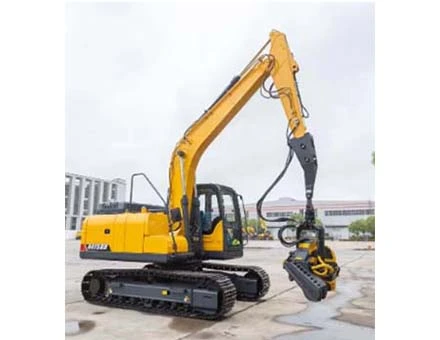
| Roadside Maintenance | Boom/Excavator Flail Mower |
| Light to Medium Brush | Heavy-Duty Flail Mower (Hammer Blades) |
| Dense Brush & Scrub | Excavator Brush Cutter |
| Forestry Clearing (Trees 4"+) | Forestry Mulcher |
| Heavy Land Reclamation | Excavator Forestry Mulcher |
Why Contractors Choose SC Equipment for Forestry and Excavator Attachments
When vegetation management escalates into commercial land clearing, standard implements are no longer enough. You need professional, heavy-duty excavator attachments designed to withstand extreme punishment.Established in 2008, SC Equipment specializes in the design, manufacturing, and customization of high-performance excavator attachments for construction, demolition, recycling, forestry, and complex infrastructure projects worldwide. We don't just build tools; we engineer solutions that transform your standard excavator into a multi-purpose powerhouse.Backed by highly advanced production facilities, strict quality inspection systems, CE-certified products, and multiple patented technologies, SC Equipment helps commercial contractors dramatically improve productivity, site safety, and overall equipment utilization across the most demanding job sites on earth. Whether you are managing aggressive vegetation, clearing acres of commercial land, processing industrial scrap, or executing precise demolition work, SC Equipment provides reliable, rugged attachment solutions tailored specifically to your excavator model and unique project requirements.SC Equipment Product Categories
Forestry Attachments (Engineered for Land Clearing)When your project outgrows a flail mower, our forestry line steps in. Turn your excavator into an aggressive land-clearing machine capable of taking down whole trees and thick forests.
Forestry Mulchers
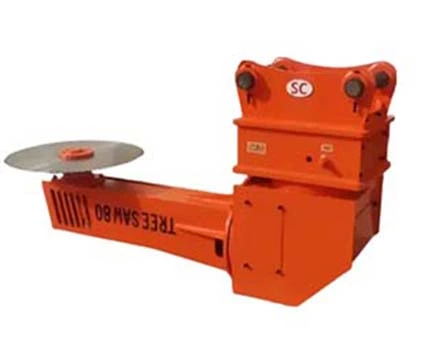
Heavy-Duty Brush Cutters
Vegetation Management Attachments
Tear down concrete structures and separate valuable rebar safely and efficiently.
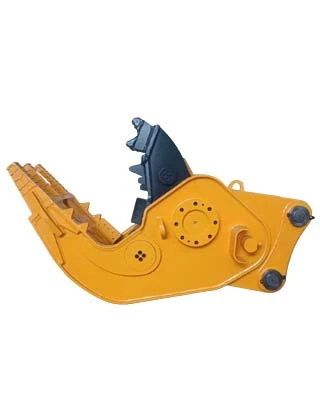
Hydraulic Pulverizers
Concrete Crushers
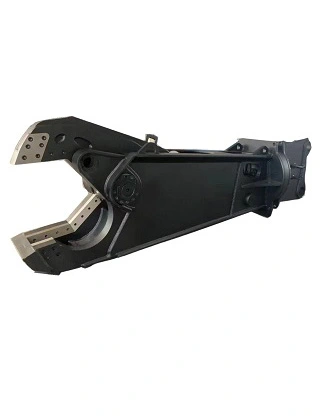
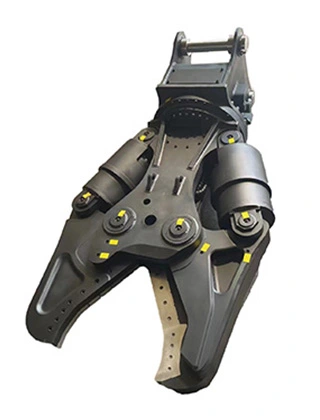
Hydraulic Shears
Process and handle massive volumes of industrial scrap metal with precision.
Scrap Grapples
Heavy Metal Shears
Drive foundation and sheet piles into the ground with overwhelming hydraulic force.
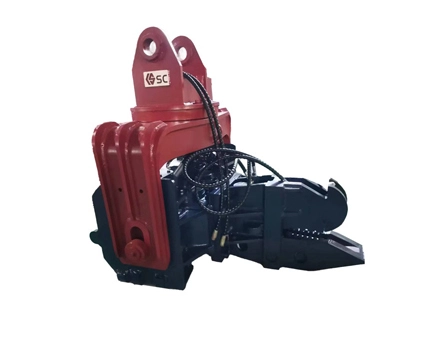
Hydraulic Pile Drivers
Vibro Hammers
Complete your fleet with the everyday tools required for site prep and earthmoving.
Hydraulic Quick Couplers
Heavy-Duty Rippers
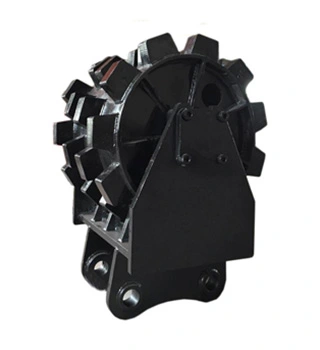
Plate Compactors
Need Help Choosing the Right Attachment?
Whether you're maintaining roadsides, reclaiming severely overgrown land, or tackling dense forestry vegetation, choosing the correct attachment can significantly improve your hourly productivity and drastically reduce your operating costs. Don't guess which tool is right for the job—let the experts help.Contact SC Equipment today for:Free, expert attachment recommendations tailored to your excavator.
Custom OEM/ODM manufacturing solutions.
Comprehensive global shipping support.
Fast, transparent quotations within 24 hours.