English
 Deutsch
 Español
 русский
 português
 العربية
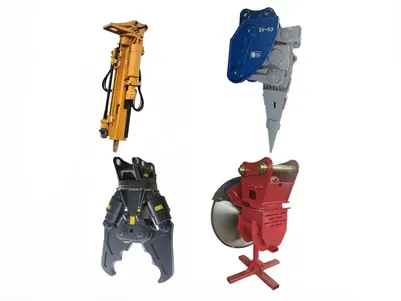
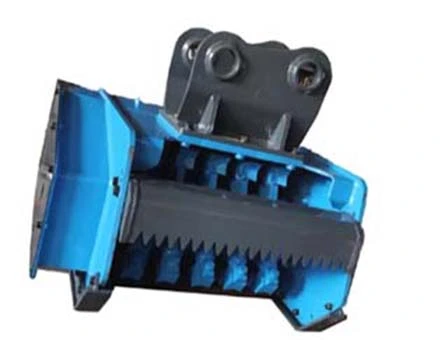
A flail mower works by using a high-speed rotating drum equipped with multiple free-swinging blades (flails) to cut and shred vegetation. As the rotor spins, centrifugal force extends the blades outward, allowing them to impact and repeatedly mulch grass, weeds, and brush inside an enclosed housing. Compared to traditional rotary mowers, this mechanism provides finer mulching, better control on uneven terrain, and significantly improved safety due to reduced debris throw. This blog explains how a flail mower works, breaking down its core working principle, key components, and why it outperforms traditional rotary mowers in tough vegetation conditions.
How Does a Flail Mower Work?
To truly understand why this attachment is the go-to choice for challenging environments, we must break down the mechanics of its operation. The cutting process is a symphony of raw power, centrifugal force, and high-speed impact.Step 1 – Power Is Generated
The operation begins with the transfer of power from the carrier machine to the mower. For traditional agricultural setups, the tractor's PTO (Power Take-Off) shaft mechanically drives the mower's gearbox. However, modern commercial setups rely heavily on hydraulic power. An excavator's auxiliary hydraulic system pumps pressurized fluid into a dedicated hydraulic motor mounted on the mower deck. This flow of hydraulic fluid dictates the performance of the machine. The energy travels from the carrier's engine, through the hydraulic lines, into the mower's motor, which then turns the drive belts connected to the main rotor.Step 2 – Rotor Spins at High Speed
The rotor is undeniably the heart of the machine. It is a thick, perfectly balanced steel cylinder spanning the width of the mower deck. Once power is engaged, this heavy drum spins at incredibly high speeds—typically ranging between 2,000 and 3,000 RPM (Revolutions Per Minute). This high-speed rotation generates massive kinetic energy. Because the rotor carries significant weight, it acts like a flywheel, maintaining its momentum even when encountering dense, wet, or thick vegetation that would normally stall a weaker machine.Step 3 – Flails Swing Outward
Attached to the rotor via heavy-duty steel shackles are dozens of individual blades, known as flails. When the machine is turned off, these flails simply hang loosely. However, as the rotor reaches its operating RPM, immense centrifugal force kicks in, throwing the blades straight outward to form a rigid, aggressive cutting cylinder. The brilliance of this design lies in its forgiveness. Because the swinging blades are not rigidly fixed, if they strike an immovable object like a large boulder, a hidden steel pipe, or a massive stump, the flail will simply fold back on its pivot point. This prevents the shock from transferring to the rotor and the carrier machine, drastically reducing the risk of catastrophic damage.Step 4 – Vegetation Is Cut and Shredded
As the carrier machine moves forward, the high-speed wall of flails meets the vegetation. Flails do not simply slice grass the way a lawnmower does; they impact, slice, and aggressively shred the material. The leading edge of the flail strikes the plant stalk with tremendous force, shattering it instantly. Because the drum rotates toward the front of the machine (cutting upwards from the bottom or downward from the top depending on the specific design), it pulls the material into the enclosed steel housing. This is the critical difference compared to a rotary mower—the vegetation is trapped inside the deck to undergo a brutal shredding process.Step 5 – Material Is Mulched and Deposited
Inside the enclosed mower deck, the vegetation is repeatedly struck by the flails as it bounces off the steel housing. This repeated impact creates a fine, evenly distributed mulch. Eventually, the pulverized material is ejected evenly out the back of the mower, usually passing over a rear tracking roller. This fine mulching process offers significant environmental benefits. Smaller organic particles decompose much faster, returning vital nitrogen and nutrients back into the soil. It also leaves behind a cleaner, safer finish without large windrows of rotting grass that can choke new growth or pose a fire hazard.Main Components of a Flail Mower
A flail mower is a masterclass in heavy-duty engineering. Understanding its main components helps operators maintain the machine and maximize its lifespan. Below is a breakdown of the core parts that make this equipment function efficiently.| Component | Function |
|---|---|
| Rotor | The central horizontal drum that spins at high speeds and drives the cutting system. |
| Flails | The free-swinging blades or hammers that physically impact and cut the vegetation. |
| Hydraulic Motor | Provides power to the rotor on excavator and skid steer attachments. |
| PTO Shaft | Transfers mechanical power from a tractor to the mower's gearbox. |
| Housing | The heavy steel enclosure that traps vegetation for mulching and contains flying debris safely. |
| Roller | Tracks the ground contour to control cutting height and prevent the blades from scalping the earth. |
| Side Skids | Heavy steel runners that protect the side of the machine from grinding against the ground. |
What Types of Flails Are Used?
The versatility of a flail mower comes from its ability to swap out the cutting tools. Depending on the density of the vegetation, operators can choose from several distinct blade types to optimize their cutting efficiency.Y-Blades
As the name suggests, these blades are shaped like the letter "Y." They are relatively lightweight and exceptionally sharp. Because they slice cleanly through material, they require less horsepower to spin. They are highly effective at achieving a neat finish on softer materials. Best suited for: manicured grass, tall weeds, and general pasture maintenance.Hammer Flails
Hammer flails are heavy, solid chunks of forged steel. Instead of slicing, they rely entirely on blunt force trauma to pulverize whatever they hit. They have the mass and momentum required to smash through thick woody stalks without breaking. Best suited for: dense brush, heavy thickets, blackberry bushes, and small saplings.T-Flails
T-flails offer a middle ground between the clean cut of a Y-blade and the smashing power of a hammer. They are shaped like an inverted "T" and provide a flat cutting edge that is heavier than a Y-blade but lighter than a solid hammer. Best suited for: mixed vegetation areas where you might transition from thick grass to light scrub.| Flail Type | Best For | Durability |
|---|---|---|
| Y Blade | Grass & Weeds | Medium |
| T Flail | Mixed Vegetation | High |
| Hammer Flail | Brush & Saplings | Very High |
Why Flail Mowers Are Effective in Tough Vegetation
When contractors face overgrown, unmanaged land, standard mowers simply fail. Flail mowers excel in these harsh conditions due to several unique engineering advantages that make them the undisputed champions of rough terrain.Repeated Cutting Action
Unlike a standard blade that makes a single cut as it passes over a plant, the enclosed deck of a flail mower creates a chaotic internal environment. The vegetation is sucked into the housing where dozens of flails strike it hundreds of times per second. This repeated cutting action guarantees that even the most stubborn, fibrous weeds are shattered into small pieces rather than just being knocked over.High Rotor Speed
The sheer RPM of the rotor combined with the weight of the flails generates immense cutting force. Operating between 2,000 and 3,000 RPM means the flails are traveling at staggering speeds. This high velocity ensures that the blades slice cleanly through thick stalks before the plant has a chance to bend or deflect, ensuring a smooth, continuous workflow without bogging down the carrier machine.Fine Mulching Capability
The ability to turn a dense thicket into a layer of fine sawdust and organic mulch is a massive advantage. Because the cut material is retained inside the housing until it is small enough to pass safely out the back, it leaves a manicured look even in wild areas. This fine mulch decomposes rapidly, eliminating the costly and time-consuming need to rake, collect, and haul away the debris.Better Ground Following
Rough terrain is rarely flat. It is full of dips, mounds, and ruts. A flail mower utilizes a heavy steel rear roller that spans the entire width of the machine. This roller tracks the actual contour of the ground, raising and lowering the cutting deck automatically. This prevents the blades from gouging into the soil (scalping), protecting both the turf and the flails themselves.Debris Containment
In tough vegetation, hidden dangers lurk—rocks, glass, wire, and debris. The flail mower's enclosed steel housing acts as a protective shield. Because the rotor spins downward against the direction of travel, it drives debris straight into the ground rather than launching it outward. Combined with front chain guards, this containment system makes it incredibly safe for the operator and bystanders.
Where Are Flail Mowers Commonly Used?
Due to their safety and versatility, flail mowers are deployed across a wide range of industries.Roadside Maintenance
Municipalities rely heavily on boom-mounted flail mowers to maintain highway shoulders, medians, and ditches. Because flail mowers direct debris downward, they drastically reduce the risk of throwing rocks into passing windshields, making them the only viable option for high-traffic public roads.Agriculture and Pasture Management
Farmers use flail mowers to chop up tough crop residues, such as corn stalks, after a harvest. They are also widely used in pasture management to knock down unpalatable weeds, ensuring even grazing areas for livestock and accelerating the return of organic matter to the soil.Orchard and Vineyard Maintenance
Between the narrow rows of vines and fruit trees, space is tight. Compact flail mowers navigate these rows easily, chopping up dropped branches, pruning waste, and thick cover crops. The resulting mulch helps retain soil moisture, which is vital for crop health.Utility Corridor Maintenance
Utility companies must keep the areas underneath power lines and above gas pipelines clear of encroaching vegetation. Flail mowers mounted on tracked skid steers can navigate the rough, remote terrain of utility right-of-ways, keeping the corridors safe and accessible.Forestry Vegetation Control
In the forestry sector, light flail mowers are used for trail maintenance and clearing light underbrush. However, when contractors encounter thick forests and dense vegetation, they often push past the limits of a flail mower. For these intense applications, professionals combine their fleets with heavy-duty forestry mulchers and tree saw attachments from specialized manufacturers like SC Equipment.Flail Mower vs Rotary Mower – How Do They Work Differently?
The choice between a flail and a rotary mower (often called a brush hog) is a common dilemma. A rotary mower uses one or two large, heavy blades spinning horizontally on a vertical axis, much like a helicopter. A flail mower uses dozens of small blades spinning vertically on a horizontal drum.| Feature | Flail Mower | Rotary Mower |
|---|---|---|
| Cutting Method | Multiple swinging flails on a horizontal drum | Large fixed blades on a vertical axis |
| Debris Control | Excellent (Enclosed housing) | Moderate (Can shoot debris out the sides) |
| Safety | High (Lower projectile risk) | Lower (High risk of throwing rocks) |
| Mulching | Excellent (Fine distribution) | Basic (Leaves large clumps) |
| Brush Handling | Better (Shatters stalks) | Limited (Can bog down in thick brush) |
| Terrain Adaptability | Better (Rear roller follows contours) | Moderate (Prone to scalping hills) |
Flail Mower vs Forestry Mulcher
As contractors scale their operations from roadside maintenance to commercial land clearing, it is crucial to recognize the limits of a flail mower. While a flail is fantastic for grass, weeds, and light brush, it is not designed to clear forests. A Forestry Mulcher, on the other hand, is a vastly more aggressive attachment. Instead of free-swinging steel flails, a forestry mulcher features heavy, fixed carbide or steel teeth securely bolted to a massive, reinforced steel drum. This rigid setup is designed to chew through solid wood, grind down heavy brush, process whole trees, and even grind stumps down to the soil level.| Task | Flail Mower | Forestry Mulcher |
|---|---|---|
| Grass Cutting | Excellent | Good (But overkill) |
| Weed Control | Excellent | Good |
| Brush Removal | Good (Light to Medium) | Excellent |
| Tree Processing | No | Yes |
| Land Clearing | Limited | Excellent |
Advantages of a Flail Mower
For the right applications, a flail mower provides unparalleled benefits:
Higher Safety: The enclosed housing and downward rotation mean debris is forced into the ground, drastically minimizing the hazard of flying objects in urban or populated areas.
Better Mulching: Vegetation is cut multiple times inside the chamber, creating a fine organic mulch that quickly decomposes and enriches the soil, eliminating clean-up time.
Handles Rough Terrain: Thanks to the integrated rear roller, the mower smoothly glides over uneven ground, ruts, and hills without digging the blades into the dirt.
Lower Projectile Risk: With front chains and rear rubber flaps, rocks and hidden debris are kept inside the mower deck, making it safer for operators and nearby vehicles.
Versatile Applications: By simply changing the type of flail (Y-blade to Hammer), the same machine can transition from manicuring pasture grass to devastating blackberry thickets.
Durable Design: Because the flails pivot freely, striking a solid stump won't destroy the rotor or gearbox, meaning less downtime and lower repair costs over the machine's lifespan.
Limitations of a Flail Mower
As with any piece of heavy machinery, it is critical to use the right tool for the job. Flail mowers have distinct limitations. When you reach these limits, upgrading to heavy-duty excavator attachments is the logical next step.| Limitation | Alternative Solution |
|---|---|
| Cannot cut large, standing trees without damaging the rotor. | Tree Saw / Tree Shear |
| Stalls and bogs down in highly dense, woody brush over 3 inches thick. | Forestry Mulcher |
| Too slow and underpowered for commercial subdivision land clearing. | Excavator Mulcher |
| Cannot grind stumps down into the earth. | Forestry Head with Carbide Teeth |
How to Choose the Right Flail Mower for Your Project
Selecting the exact mower for your operation ensures maximum efficiency and prevents costly damage to your carrier machine. Consider the following factors:Vegetation Density
Assess your primary workload. If you are exclusively mowing grass, a light-duty Y-blade flail is sufficient. If you encounter saplings and heavy brush, you need a heavy-duty model equipped with hammer flails.Carrier Machine
The weight and lifting capacity of your tractor, skid steer, or excavator dictate the maximum size of the mower you can safely operate. An oversized mower will cause the carrier to tip, while an undersized mower wastes potential productivity.Hydraulic Flow
For excavator and skid steer attachments, hydraulic flow (Gallons Per Minute / GPM) is the most critical metric. The mower's hydraulic motor must perfectly match the carrier's auxiliary flow rate to ensure the rotor reaches its optimal cutting RPM.Cutting Width
A wider cutting path covers more ground but requires significantly more horsepower and hydraulic flow. Ensure your carrier has the power to maintain rotor speed across the full width of the mower deck in thick vegetation.Terrain Conditions
If you are working on steep slopes or deep ditches, a standard tractor setup won't work. You will need a boom-mounted flail mower or an excavator-mounted attachment for the necessary reach and stability.| Application | Recommended Equipment |
|---|---|
| Manicured Grass & Pasture | Standard Flail Mower (Y-Blades) |
| Thick Weeds & Light Scrub | Heavy Duty Flail Mower (T-Flails) |
| Heavy Brush & Blackberry Thickets | Hammer Flail Mower |
| Dense Wooded Vegetation & Saplings | Forestry Mulcher |
| Standing Tree Removal & Processing | Tree Saw / Tree Shear |
Frequently Asked Questions
Does a flail mower cut better than a rotary mower?
Yes, in rough conditions. While a rotary mower is faster in large, flat fields of short grass, a flail mower provides a far superior, finer cut in thick weeds and heavy brush. It also leaves an even mulch rather than clumpy rows of cut grass.Can a flail mower cut small trees?
A heavy-duty flail mower equipped with forged hammer flails can safely cut small saplings up to 2 inches in diameter. However, constantly cutting woody material will wear the flails out faster. For larger trees, a forestry mulcher is required.How fast does a flail mower rotor spin?
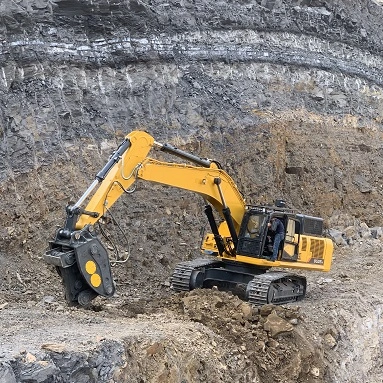
Depending on the specific make and model, the rotor of a commercial flail mower typically spins at high speeds ranging between 2,000 and 3,000 RPM, generating the massive kinetic energy needed to shatter vegetation.Can an excavator operate a flail mower?
Absolutely. Excavator-mounted flail mowers are extremely popular for contractors because the excavator's boom allows operators to reach steep embankments, over guardrails, and deep into ravines where a tractor simply cannot go.What is the difference between a flail mower and a forestry mulcher?
A flail mower uses swinging blades to cut grass and light brush. A forestry mulcher uses fixed, solid steel or carbide teeth bolted to a heavy drum to literally grind thick trees, dense brush, and stumps into woodchips. Mulchers are for land clearing; flails are for vegetation maintenance.Are flail mowers safe near roads?
Yes, they are considered the safest option for roadside maintenance. Their enclosed deck and downward rotation prevent rocks and debris from being thrown out sideways into traffic, significantly lowering the risk of property damage or injury.Why Contractors Worldwide Choose SC Equipment Attachments
When vegetation management escalates into heavy land clearing, and standard flail mowers can no longer handle the density of the terrain, professional contractors turn to heavy-duty attachment solutions to get the job done. This is where SC Equipment leads the industry.About SC Equipment
Established in 2008, SC Equipment has dedicated over a decade and a half to designing, engineering, and manufacturing world-class, high-performance Excavator Flail Mower Attachment. We proudly serve contractors, heavy machinery dealers, rental fleets, and large construction companies across the globe. Operating out of highly advanced production facilities equipped with precision inspection technologies, our R&D capabilities ensure that every attachment we build is robust and reliable. All SC Equipment products are strictly CE-certified, guaranteeing global compliance, uncompromising safety, and peak performance. Our mission is simple: provide attachment solutions that dramatically improve your excavator's productivity, versatility, and overall profitability on the job site.Explore SC Equipment Product Categories
Forestry Attachments
When you transition from maintaining grass to clearing timber, our forestry line turns your standard excavator into a relentless land-clearing machine. We design attachments that process heavy wood efficiently and safely.Forestry Mulchers: Equipped with fixed carbide teeth to devour dense brush, whole standing trees, and tough stumps.
Tree Saws & Tree Shears: Precision attachments for surgical tree removal, harvesting, and right-of-way timber processing.
Brush Cutters: Heavy-duty rotary solutions for intense brush clearing.
Log Grapples: 360-degree rotating grapples for rapid, secure sorting and loading of heavy timber.
Our forestry attachments are engineered specifically for demanding vegetation management, aggressive right-of-way maintenance, and large-scale commercial land-clearing applications.
Demolition Attachments
For primary and secondary demolition, our tools break down concrete and separate steel with raw hydraulic power.Hydraulic Breakers
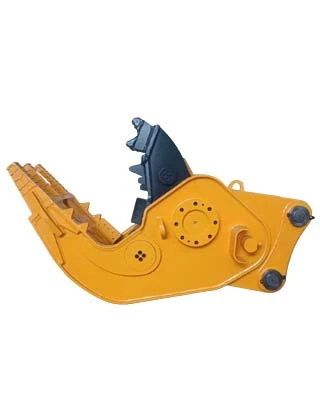
Concrete Pulverizers & Crushers
High-Frequency Vibro Rippers
Recycling & Scrap Attachments
Maximize your scrap yard's efficiency by easily cutting, sorting, and moving heavy metals.Hydraulic Scrap Shears
Heavy-Duty Scrap Grapples
Excavator-Mounted Lifting Magnets
Excavator Pile Drivers
We provide the foundation industry with tools that drive piles into the toughest ground conditions smoothly and accurately.Vibro Hammers
Hydraulic Pile Drivers
Other Essential Excavator Attachments
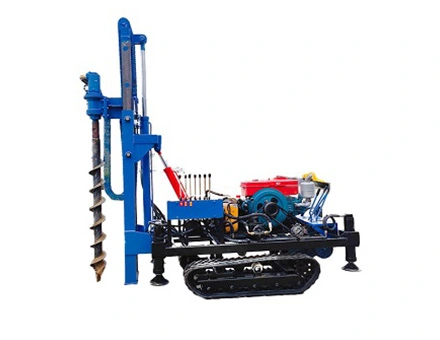
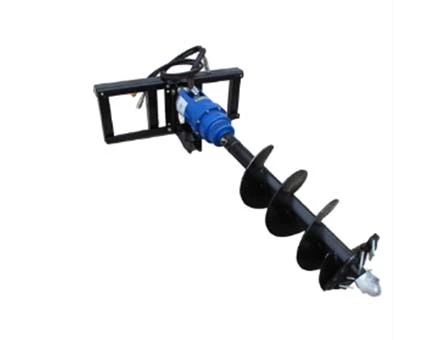
Expand the daily utility of your machine with our robust earthmoving essentials.Severe-Duty Buckets & Earth Augers
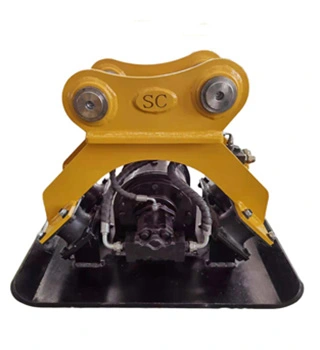
Hydraulic Plate Compactors
Hydraulic Quick Couplers for rapid tool changes
Why Buyers Choose SC Equipment
Global buyers demand reliability, speed, and continuous support. Here is why SC Equipment remains the preferred partner for heavy machinery attachments:| Advantage | Benefit to the Contractor |
|---|---|
| Since 2008 | Proven industry experience and engineering stability. |
| CE Certified | Global safety compliance and uncompromising quality standards. |
| OEM Available | Custom engineering solutions to fit your specific fleet requirements. |
| Advanced Manufacturing | Consistent build quality, precise welding, and extreme durability. |
| Fast Response | Better after-sales technical service to keep your machines running. |
| Worldwide Export | Reliable, streamlined global delivery logistics right to your site. |