Tel:
Email:
Choosing between a screw pile driver and a vibratory pile driver for excavator depends on your foundation requirements, soil conditions, installation method, and project efficiency goals. A screw pile driver (also known as a helical pile driver) is ideal for controlled installation of helical piles with minimal disturbance, while a vibratory pile driver is better suited for driving sheet piles, steel piles, and other profiles where speed and penetration force are priorities.
For contractors using an excavator pile driver, selecting the right attachment can significantly affect productivity, installation quality, operating costs, and overall project success.
The main difference is the installation method.
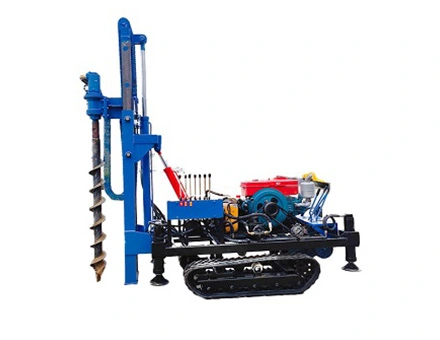
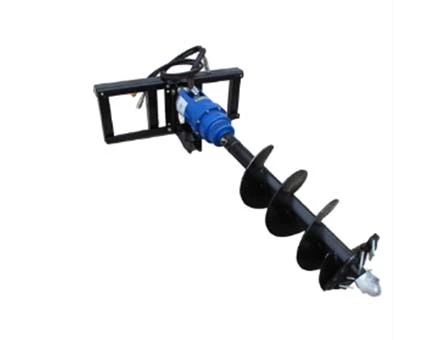
A screw pile driver installs piles through rotational torque. The attachment rotates the helical pile into the ground, allowing the helix plates to pull the pile downward while creating minimal vibration. This method provides precise depth control and is especially suitable for residential foundations, solar projects, retaining structures, and areas with vibration restrictions.
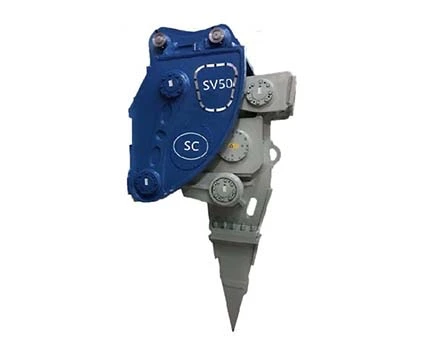
A vibratory pile driver for excavator uses high-frequency vibration to reduce soil resistance and drive piles vertically into the ground. It is commonly used for sheet piles, H-beams, steel piles, and temporary structures where rapid installation is required.
| Feature | Screw Pile Driver | Vibratory Pile Driver |
|---|---|---|
| Installation method | Rotary torque | Vibration and impact force |
| Main application | Helical piles, screw piles | Sheet piles, steel piles, foundation piles |
| Soil disturbance | Very low | Moderate |
| Noise and vibration | Low | Higher |
| Installation control | High precision | High-speed operation |
| Best for | Permanent foundations | Fast pile installation |
A screw pile driver is the preferred choice when project accuracy, low environmental impact, and load-bearing reliability are important.
Typical applications include:
Solar panel mounting systems
Residential and commercial foundations
Pipeline supports
Deck and platform foundations
Retaining wall systems
Ground reinforcement projects
The rotary installation process allows operators to monitor torque during installation, which helps verify soil resistance and foundation capacity. This makes screw pile systems highly suitable for projects where engineering control is required.
A helical pile driver works by applying controlled rotational torque to install piles equipped with helical plates. Unlike traditional driven piles, helical piles do not rely on heavy impact force. Instead, the pile transfers loads through the helix plates embedded in stable soil layers.
Advantages include:
Minimal ground disturbance
Reduced noise during operation
Fast installation and immediate loading capability
Suitable for restricted-access sites
Easy removal or relocation when required
A vibratory pile driver for excavator is more suitable when speed and penetration capability are the primary requirements.
Common applications include:
Sheet pile installation
Marine construction
Temporary excavation support
Bridge and highway projects
Steel pile installation
Foundation reinforcement works
The vibration generated by the attachment reduces friction between the pile and surrounding soil, allowing the excavator to install piles efficiently. This makes vibratory pile drivers popular in large-scale construction environments where hundreds of piles may need to be installed within a short timeframe.
The better option depends on the soil type and pile design.
For dense soils, gravel layers, or projects requiring deep foundations, a vibratory pile driver may provide stronger penetration performance when installing steel piles.
For projects requiring predictable load capacity in mixed soil conditions, a screw pile driver offers better installation monitoring because torque measurements can indicate soil resistance during installation.
In practice, experienced contractors select the attachment based on:
Soil composition
Required pile depth
Pile diameter and type
Load requirements
Site restrictions
Noise and vibration limitations
Yes. An excavator pile driver converts a standard excavator into a multifunctional piling machine by using hydraulic power from the excavator system.
Compared with dedicated piling equipment, excavator-mounted attachments provide:
Lower equipment investment
Easier transportation between job sites
Better mobility in confined areas
Reduced labor requirements
Flexible operation with existing excavators
Different attachments can be installed depending on the project, including screw pile drivers, helical pile drivers, and vibratory pile drivers.
Operating costs depend on project conditions, but both systems offer advantages.
A screw pile driver can reduce costs through:
Lower site preparation requirements
Less disturbance to surrounding structures
Faster installation verification
Reduced restoration work after installation
A vibratory pile driver can reduce costs through:
High installation speed
Efficient pile penetration
Compatibility with large-scale projects
For small to medium foundation projects, screw piling is often more economical because it minimizes additional construction work. For large-volume piling projects, vibratory systems may provide better productivity.
Before selecting an attachment, contractors should evaluate the following factors:
Helical piles → Choose a screw pile driver
Sheet piles → Choose a vibratory pile driver
Steel beams → Consider vibratory installation
Soft soils, clay, and loose materials may favor vibratory installation, while controlled torque installation is often preferred for engineered helical pile systems.
Urban areas, residential zones, and environmentally sensitive locations often require low-vibration solutions, making screw pile drivers a strong option.
Hydraulic flow, operating pressure, excavator size, and attachment weight must match the pile driver specifications to ensure stable performance.
Both screw pile drivers and vibratory pile drivers provide efficient solutions for modern piling projects, but they serve different construction needs.
A screw pile driver or helical pile driver is the better choice for precision installation, low vibration, and projects requiring controlled foundation performance. A vibratory pile driver for excavator is more suitable for high-speed installation of sheet piles, steel piles, and large-scale construction applications.
For contractors investing in an excavator pile driver, selecting the correct attachment based on soil conditions, pile type, and project requirements is essential to achieving higher productivity and better installation results.
A screw pile driver is used to install helical piles, screw piles, and foundation supports through rotary torque installation.
Yes. A helical pile driver is a type of screw pile driver designed specifically for installing helical piles.
A vibratory pile driver can install sheet piles, steel piles, H-beams, and other vertical foundation piles.
Yes. An excavator equipped with a screw pile driver attachment can efficiently install screw and helical piles.
A screw pile driver creates significantly less vibration because it uses rotational force instead of high-frequency vibration.
Choose based on pile type, soil conditions, excavator specifications, installation depth, and project requirements.
 English
 Deutsch
 Español
 русский
 português
 العربية