Tel:
Email:
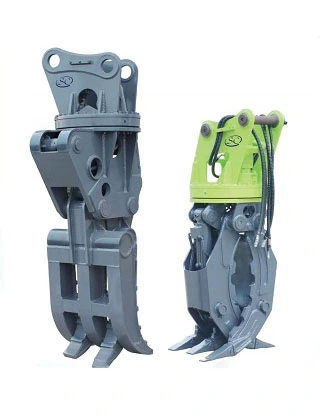
Selecting the correct excavator grapple attachment requires matching four key factors: excavator weight capacity, hydraulic flow, rotation system, and the material being handled. A properly matched grapple improves productivity, reduces hydraulic system stress, and extends attachment service life.
The right grapple is not simply the largest or strongest option available. It must work efficiently with the excavator’s specifications and the specific handling application, whether it involves logs, scrap metal, demolition debris, rocks, or general material sorting.
The excavator size determines the suitable grapple weight and capacity. Every grapple has a recommended carrier range based on excavator tonnage, lifting capacity, and hydraulic performance.
A properly sized grapple should:
Maintain excavator stability during lifting
Avoid excessive load on the boom and arm
Provide enough gripping force for the application
Match the machine’s hydraulic capability
For example:
Small excavators (1.5–8 tons) typically use compact grapples for landscaping, light demolition, and material handling.
Medium excavators (10–20 tons) can operate larger grapples for forestry, recycling, and construction applications.
Heavy excavators require reinforced grapples designed for high-volume material handling.
Installing an oversized grapple on a smaller carrier can reduce working efficiency and create safety risks, while an undersized grapple may limit productivity.
Hydraulic flow is one of the most important factors when selecting a excavator grapple attachment. The grapple’s hydraulic cylinders and rotation system rely on the excavator’s auxiliary circuit to deliver consistent operating performance.
Before purchasing, check:
Required hydraulic flow rate (L/min)
Maximum working pressure
Auxiliary hydraulic circuit type
Return line requirements
A grapple with insufficient hydraulic flow may operate slowly and provide reduced gripping force. Excessive hydraulic flow without proper adjustment can cause overheating and unnecessary component wear.
For rotating grapples, hydraulic flow matching is especially important because the rotation motor requires stable oil supply for smooth movement and precise positioning.
The choice between rotating and fixed grapples depends on the application.
A rotating grapple provides 360-degree positioning control, making it ideal for:
Scrap sorting
Demolition cleanup
Forestry operations
Recycling applications
Precision material placement
The rotation function allows operators to adjust material position without moving the entire excavator, improving efficiency in complex working environments.
A fixed grapple is a simpler and more cost-effective option for:
General material handling
Loading operations
Basic construction work
Moving large quantities of similar materials
Fixed models usually require less maintenance and are suitable for applications where positioning flexibility is not critical.
Material type directly affects grapple design. Different industries require different jaw shapes, opening widths, and structural strength.
Forestry grapples require:
Wide jaw opening
Strong gripping force
Lightweight design for lifting efficiency
They are designed to handle logs, branches, and timber without damaging productivity.
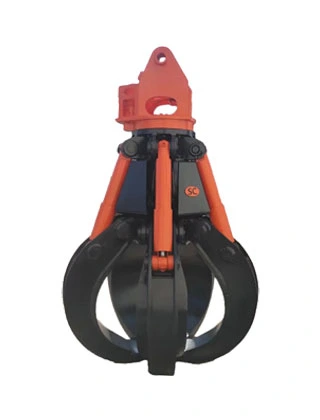
For recycling applications, a heavy-duty hydraulic excavator grapple should provide:
Reinforced jaws
High wear resistance
Strong clamping force
Good material control
These features help operators handle irregular steel pieces, machinery parts, and demolition scrap.
Demolition grapples are designed for:
Concrete pieces
Rocks
Mixed debris
Construction waste
They typically feature stronger structures and abrasion-resistant components to withstand harsh working conditions.
When comparing different models, consider the following features:
The jaw shape affects gripping ability and material control. Narrow jaws are suitable for precise handling, while wider jaws increase loading capacity.
A high-quality rotation system improves operator control and allows faster material positioning.
The grapple should use durable materials to withstand repeated impact and heavy loads.
Check:
Greasing points
Cylinder protection
Replaceable wear parts
Hydraulic component quality
A reliable design reduces downtime and maintenance costs.
An excavator grapple attachment is widely used in:
Scrap recycling yards
Forestry and logging
Demolition projects
Waste sorting facilities
Construction material handling
Quarry operations
Its versatility makes it one of the most useful excavator attachments for contractors who handle different materials across multiple job sites.
When searching for an excavator grapple for sale, consider more than price. Important factors include:
Compatibility with your excavator model
Attachment weight
Hydraulic requirements
Material application
Rotation system quality
Manufacturer support
Choosing a reliable supplier ensures better attachment performance, easier maintenance, and long-term operating value.
To maximize grapple efficiency:
Operate within the rated load capacity
Maintain correct hydraulic pressure
Lubricate moving components regularly
Inspect pins, bushings, and cylinders
Avoid using the grapple for unsuitable materials
Proper maintenance helps prevent premature wear and keeps the attachment working efficiently.
Matching an excavator grapple to your carrier requires careful consideration of excavator weight, hydraulic flow, rotation requirements, and material type. The best grapple is one that fits your machine’s capabilities while meeting the demands of your specific application.
Whether you need a hydraulic excavator grapple for recycling, forestry, or demolition, selecting the right configuration improves productivity, reduces operating costs, and maximizes the value of your excavator investment.
Choose a grapple based on excavator tonnage, lifting capacity, and the attachment’s recommended carrier range.
Yes. Hydraulic grapples require proper auxiliary hydraulic flow to operate cylinders and rotation systems.
Rotating grapples provide better positioning control, while fixed grapples are simpler and more economical.
Depending on design, grapples can handle logs, scrap metal, rocks, concrete, and construction debris.
Look for manufacturers that provide compatible models, technical support, and specifications matching your excavator.
This is the first one.
 English
 Deutsch
 Español
 русский
 português
 العربية