Tel:
Email:
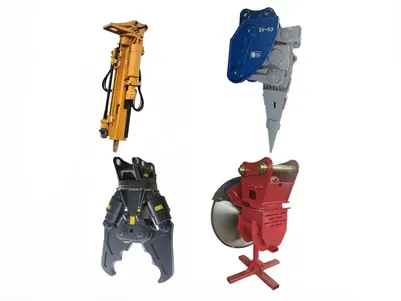
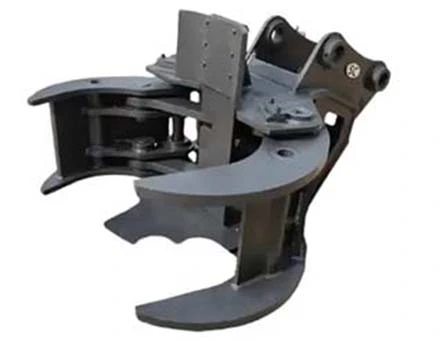
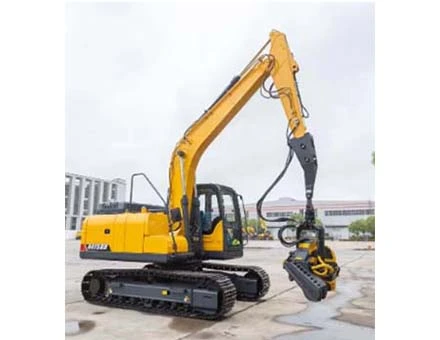
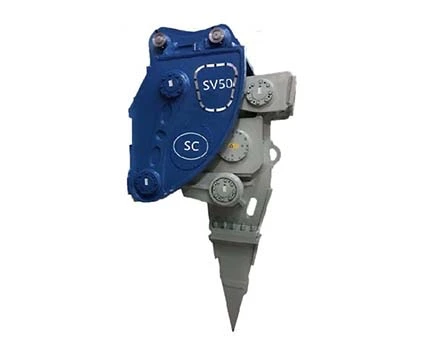
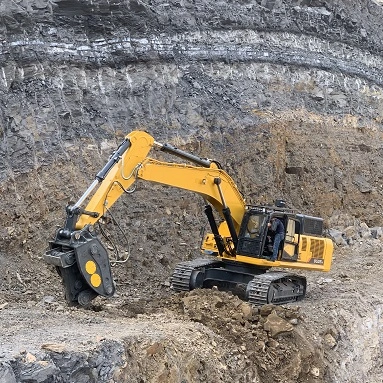
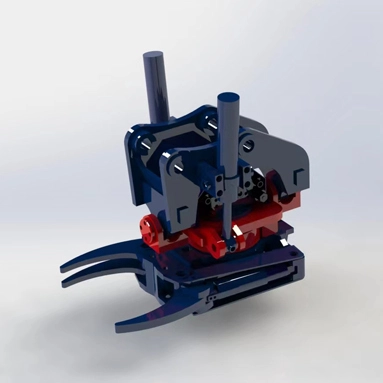
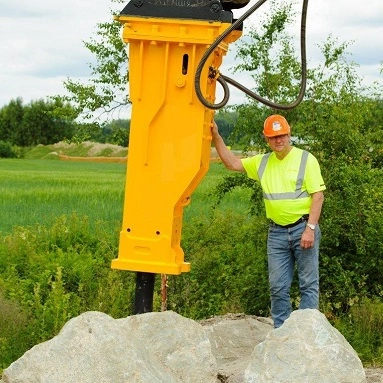
Choosing between an excavator metal shear and a concrete pulverizer depends on the demolition material, project requirements, and desired processing efficiency. An excavator metal shear is the better choice for cutting and recycling steel structures, pipelines, and heavy metal scrap, while a concrete pulverizer is designed for crushing reinforced concrete and separating rebar from demolished structures.
Selecting the correct attachment improves productivity, reduces equipment wear, and helps contractors achieve better recycling results.
The main difference is the type of material each attachment is designed to process.
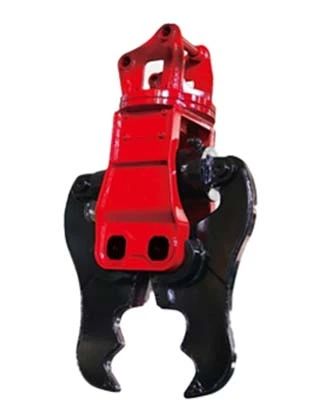
An excavator metal shear uses powerful hydraulic force and hardened cutting blades to slice through steel materials. It is commonly used in steel structure demolition, ship dismantling, industrial equipment recycling, and scrap processing.
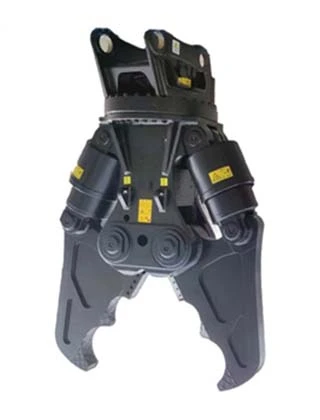
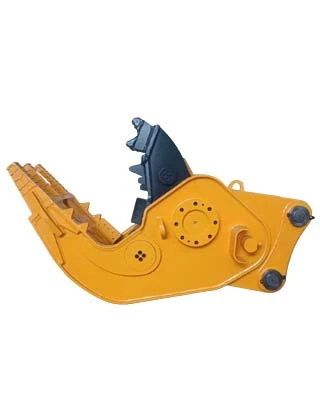
A concrete pulverizer uses crushing jaws to break concrete into smaller pieces. Its primary purpose is reducing reinforced concrete structures, such as buildings, bridges, and foundations, while allowing operators to separate concrete from steel reinforcement.
| Feature | Excavator Metal Shear | Concrete Pulverizer |
|---|---|---|
| Main application | Cutting metal structures | Crushing concrete structures |
| Working method | Shearing and cutting | Crushing and pulverizing |
| Best materials | Steel beams, plates, pipes, scrap metal | Concrete, reinforced concrete |
| Recycling purpose | Metal recovery | Concrete reduction and rebar separation |
| Key advantage | Fast and precise metal cutting | Efficient concrete processing |
An excavator metal shear is ideal when demolition work involves large amounts of steel or metal components.
Typical applications include:
Demolition of steel buildings and warehouses
Cutting structural beams and columns
Recycling industrial machinery
Processing scrap metal at recycling yards
Ship and heavy equipment dismantling
Compared with traditional cutting methods, hydraulic shears for excavator provide higher cutting force, improved operator safety, and better control during demolition operations.
For contractors handling metal recycling projects, selecting a properly sized hydraulic shear can significantly increase production efficiency and reduce manual processing requirements.
A concrete pulverizer is the preferred attachment for concrete demolition projects.
It is commonly used for:
Building demolition
Bridge removal
Foundation breaking
Concrete slab processing
Separating concrete from reinforcement steel
Concrete pulverizers are especially effective after primary demolition because they reduce large concrete sections into manageable pieces and improve material sorting for recycling.
An excavator metal shear is not designed for crushing concrete. While it may cut exposed reinforcement bars or some mixed materials, using it primarily on concrete can accelerate blade wear and reduce attachment lifespan.
For reinforced concrete demolition, a pulverizer or crusher attachment is usually the more efficient solution.
Both attachments provide high hydraulic power, but their performance depends on the material being processed.
Hydraulic shears for excavator generate concentrated cutting force for metal, allowing them to cut through thick steel sections. Concrete pulverizers apply crushing force through jaw movement, making them effective for breaking hard concrete structures.
The right attachment is not determined by maximum force alone, but by matching the tool design with the demolition material.
Consider these factors before selecting an attachment:
Steel demolition → Choose an excavator metal shear
Concrete demolition → Choose a concrete pulverizer
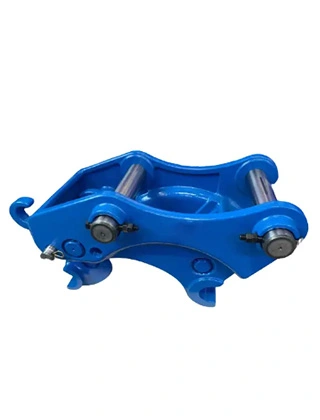
Attachment weight and hydraulic requirements must match the excavator specifications. An oversized attachment can reduce efficiency and increase machine stress.
Large recycling operations may benefit from high-performance hydraulic shears, while construction demolition projects may require pulverizers for faster concrete processing.
Check blade durability, jaw design, replacement parts availability, and manufacturer support before purchasing.
The choice between an excavator metal shear and a concrete pulverizer depends on the demolition material and project goals. For steel cutting, metal recycling, and structural demolition, an excavator metal shear delivers the cutting performance needed for efficient processing. For reinforced concrete removal and material separation, a concrete pulverizer provides better crushing capability.
Choosing the right attachment helps contractors improve productivity, reduce operating costs, and maximize excavator performance.
An excavator metal shear is used for cutting steel structures, metal scrap, pipelines, and industrial materials during demolition and recycling operations.
Yes. Heavy-duty hydraulic shears are designed to cut steel beams, plates, and other structural metal materials.
No. Concrete pulverizers are mainly designed for crushing concrete and separating reinforcement steel.
Blade life depends on material hardness, operating conditions, maintenance, and usage frequency.
The required excavator size depends on the shear model, attachment weight, and hydraulic flow requirements.
 English
 Deutsch
 Español
 русский
 português
 العربية